Louisiana Beef, Without Buying Half the Cow: How One Jennings Native Is Changing the Way SWLA Shops Local
LAKE CHARLES, La. | October 30, 2026 — For generations, buying beef directly from a rancher has meant making a commitment. A quarter of a cow. Half a cow. Sometimes the whole animal.
It's an arrangement that makes sense for families with the money, freezer space, and appetite to purchase hundreds of pounds of beef at once.
But what about everybody else?
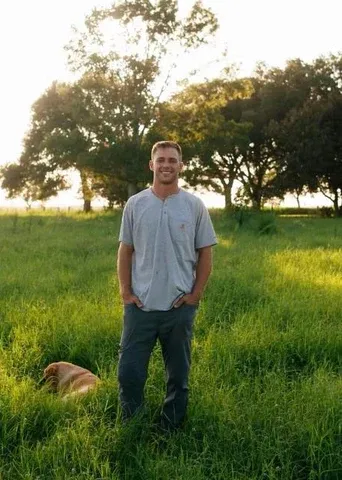
That's the question Jennings native Kelsey Richard is helping answer through Bon Vivre, a small Louisiana business connecting local families with locally raised beef from Gray Ranch, a historic cattle operation near Vinton.
And he's doing it without asking anyone to purchase more than they need.
Richard says customers can order as little as two pounds of beef.
It's a simple idea, but one that makes a meaningful difference for households interested in knowing where their food comes from.
Richard grew up in Jennings, attended Northwestern State University, where he played baseball, and spent years working in sales with Navarre.
His professional background might not immediately suggest a future in agriculture. But according to Bon Vivre's story, his interest in food began with something personal: wanting to eat better.
That interest developed during his baseball years and eventually led him toward gardening, local agriculture, and the farmers responsible for producing the food families depend on.
Richard realized he couldn't personally grow enough food to feed everyone. What he could do was help families grow some of their own while connecting them with the people raising the rest.
That thinking became the foundation of Bon Vivre.
Today, the company offers locally raised beef, gardening consultations, garden installations, and resources that encourage a stronger connection between Louisiana families and the land around them.
The beef Bon Vivre sells comes from Gray Ranch, whose history stretches back to 1896.
That year, John Geddings "Ged" Gray purchased the ranch in western Calcasieu Parish, in a region of coastal prairie between the Calcasieu and Sabine rivers.
130 years later, the ranch remains in the ownership of Gray's descendants, the Stream family of Lake Charles.
Its history is intertwined with the landscape of Southwest Louisiana.
The cattle operation extends from the prairies near Vinton south toward Johnson Bayou, where coastal ridges and marshlands meet the Gulf of Mexico.
For generations, ranch hands have moved cattle between seasonal grazing lands, making use of the region's distinct environments.
That tradition continues today.
Gray Ranch describes a management system built around rotational grazing, prescribed burning, and giving pastureland time to recover. Rather than continuously grazing the same ground, cattle are moved to fresh pastures as forage is consumed.
Prescribed burning also plays a role in managing mature grasses and limiting brush encroachment.
These practices reflect an understanding of a landscape that has supported both grazing animals and native wildlife for generations.
The ranch's cattle are handled by horseback, continuing another longstanding part of its history.
It's the kind of agricultural operation that can be easy to overlook, even for people who have lived in Southwest Louisiana their entire lives.
But the land, the cattle, the people who manage them, and the traditions they carry are all part of the region's identity.
Through Bon Vivre, families don't need a personal connection to a rancher to purchase locally raised beef.
They don't need to make a large financial commitment, either.
The company's ground beef boxes are available in quantities of two, ten, twenty, or forty pounds.
Its smallest offering starts at $20 for two pounds, before delivery.
For households wanting a combination of ground beef and steaks, Bon Vivre also offers a ten-pound Cattleman's Cut Box, currently listed at $160. It includes seven pounds of ground beef and three pounds of assorted steaks.
The beef comes from cattle raised on pasture at Gray Ranch, with selected animals receiving supplemental grain during finishing. Processing takes place at a USDA-inspected facility in Eunice.
Orders are delivered frozen on Saturdays within approximately 30 miles of Lake Charles, with a $20 delivery charge. Customers must place their orders by Friday at noon for Saturday delivery.
The model doesn't promise that locally raised beef will always cost less per pound than supermarket alternatives.
What it does offer is access.
Someone interested in trying beef raised just a short drive from home can start with enough for a couple of family dinners rather than committing to an entire freezer full.
And for a small business like Bon Vivre, every new household represents another opportunity to build a relationship between a consumer and a regional agricultural producer.
Bon Vivre's ambitions extend beyond the meat counter.
Richard also helps families establish home gardens and offers practical gardening guidance.
The company's native prairie seed products and bobwhite quail merchandise reflect an additional interest in the plants and wildlife that belong to Louisiana's landscape.
There is a common thread running through all of it: encouraging people to develop a more direct relationship with the food they eat and the land around them.
Whether that means purchasing beef from a nearby ranch, growing vegetables in the backyard, or learning about native prairie habitat, Richard's business is built around making those connections easier.
It's a refreshing example of a local entrepreneur finding a practical way to connect two groups of people who have always shared the same region but don't necessarily share the same marketplace.
Southwest Louisiana has a long agricultural history. Cattle ranching, farming, and the industries supporting them have shaped communities across the region for generations.
Yet purchasing food raised locally isn't always as straightforward as supporting the neighborhood hardware store or choosing a locally owned restaurant.
Bon Vivre is working to make that decision easier.
And perhaps that's what makes Richard's business particularly interesting.
He isn't asking families to change everything about the way they eat. He's offering them an opportunity to change where some of their food comes from.
A couple of pounds of ground beef for Tuesday-night tacos.
A few steaks for a weekend cookout.
Or enough locally raised beef to keep a family supplied for several weeks.
Behind those ordinary meals are a Lake Charles entrepreneur, a regional cattle operation with roots reaching back to the nineteenth century, and a working landscape that remains an important part of Southwest Louisiana's agricultural heritage.
Sometimes supporting local doesn't require a grand gesture.
Sometimes it starts with two pounds of ground beef.
Visit BonVivre.us to browse locally raised beef from Gray Ranch.
Ground beef boxes start at $20. Local Saturday delivery is available within approximately 30 miles of Lake Charles for a $20 fee. Orders must be placed by Friday at noon. Prices and availability may change.
Learn more about the ranch's history and agricultural practices at GrayRanch.com.
Related reporting
Lake Charles Rice Mill Wins $2.65M USDA Contract for International Food Aid
Good Things Are Happening in Southwest Louisiana. Here Are Seven Worth Talking About.
About the Author
Dalton Barron is a Southwest Louisiana real estate agent, photographer, and independent writer behind 337.news. His work focuses on property rights, local business, public accountability, and the people shaping the communities of Southwest Louisiana.
As a real estate professional, Dalton believes that land is more than something to buy, sell, or develop. It's a source of livelihood, independence, and generational opportunity.
That's why businesses like Bon Vivre deserve attention. They connect local agriculture with the people it serves, create opportunities for Louisiana producers, and give consumers a reason to spend their money closer to home.
Dalton believes in supporting the people who build something worthwhile in their own communities, especially when their work helps preserve the value of local land, agriculture, and independent enterprise.
Real Estate Disclosure: Dalton Barron is a licensed Louisiana real estate salesperson affiliated with NextHome Bayou Pines. Jeremy Jones, Broker/Owner. Main Office: DeRidder, LA. Office: 337.202.1018. Licensed by the LREC. Each office is independently owned and operated.
Editor's note: This feature draws on a direct conversation with Bon Vivre founder Kelsey Richard and publicly available information published by Bon Vivre and Gray Ranch. Product details and prices were checked on October 30, 2026.



Member discussion
337.NEWS discussion
Join the conversation.
Sign up to comment on this story and follow the local reporting behind it.