Millions Could Lose Food Assistance Under New Federal Proposal. Louisiana Is Already Changing Its SNAP Rules.
More than six million Americans could lose food assistance under a proposed federal rule published November 10, including households that currently qualify for benefits through expanded eligibility standards.
For Louisiana families, the timing is particularly significant.
The state is already implementing changes to its Supplemental Nutrition Assistance Program (SNAP), commonly known as food stamps, while Washington considers another major restriction.
And the consequences could extend beyond grocery bills.
According to the U.S. Department of Agriculture, the federal proposal could also change how nearly 1.8 million children qualify for free school meals.
What is Washington proposing?
The proposal, officially titled Supplemental Nutrition Assistance Program: Reforming Categorical Eligibility, would restrict a policy that allows states to expand SNAP eligibility through the Temporary Assistance for Needy Families program.
Under the existing system, households can qualify for SNAP through certain noncash TANF-funded benefits or services.
This is known as broad-based categorical eligibility.
In practical terms, it allows states to use different income and resource limits for some households instead of applying the standard federal SNAP eligibility limits.
The USDA proposal would narrow that pathway, generally restricting TANF-based categorical eligibility to households receiving qualifying TANF assistance rather than nominal or noncash services.
Households losing categorical eligibility would have to qualify under the program's regular eligibility rules.
The government's own estimates are substantial
According to the regulatory impact analysis published with the proposal, the USDA estimates:
- 6.3 million people could lose SNAP benefits.
- 3.2 million households would no longer qualify.
- $44.6 billion in federal SNAP benefit spending would be eliminated over five years.
- Approximately 1.78 million children would lose automatic eligibility for free school meals.
The department projects these effects will be fully realized in fiscal year 2029.
But the school meal numbers require an important clarification.
Losing automatic eligibility does not necessarily mean losing access to free school meals.
The USDA estimates approximately 1.66 million of those children would remain eligible for free meals through another qualification process.
Another 93,000 would qualify for reduced-price meals, while approximately 28,000 would become responsible for paying full price.
Families and school districts could nevertheless face additional paperwork and eligibility verification.
Louisiana is directly affected by the eligibility system being targeted
Louisiana is among the states using broad-based categorical eligibility.
According to USDA's November 2026 state eligibility information, Louisiana's program uses a gross income threshold of 200% of the federal poverty guidelines for categorical eligibility.
The state is also making a separate change effective November 15, 2026.
Louisiana's updated policy establishes SNAP asset limits of:
- $3,000 for households without an elderly or disabled member.
- $4,750 for households containing someone age 60 or older or a person with a disability.
These limits are subject to annual updates.
The state policy change is distinct from the federal proposal, which has not been finalized.
The timing means Louisiana residents are facing an evolving eligibility system on two fronts.
How many people in Louisiana depend on SNAP?
Louisiana's own benefit statistics show the importance of the program.
In December 2025, approximately 756,000 residents received SNAP benefits across more than 371,000 households.
The state reported that nearly one in five Louisiana households participated in the program.
SNAP benefits also flow through thousands of grocery stores and other authorized retailers throughout Louisiana.
The proposed federal change therefore has potential consequences beyond the households receiving assistance.
Reduced benefits could affect grocery purchases, food banks and local businesses.
However, the USDA has not provided a verified Louisiana-specific estimate of how many residents would lose eligibility under this proposal.
Applying the national projected percentage directly to Louisiana's recipient count would not produce a reliable forecast.
What about Southwest Louisiana?
In Calcasieu Parish alone, state SNAP statistics identify more than 32,000 recipients in the referenced reporting period.
The proposed changes could affect qualifying households across Calcasieu, Beauregard, Cameron, Allen, Jefferson Davis and Vernon parishes.
But the number of local households potentially losing benefits is not yet established.
That information would require additional data from the Louisiana Department of Health concerning current categorical eligibility, household income and resources.
Local organizations are already anticipating consequences.
KPLC reported November 12 that the United Way of Southwest Louisiana expects requests for assistance to increase if the federal proposal is approved.
Why is the federal government making these changes?
The USDA argues that broad-based categorical eligibility has allowed states to expand SNAP beyond the income and resource limits established by Congress.
Federal officials say restricting the policy would reduce spending and concentrate benefits on households meeting the program's standard financial requirements.
The agency estimates that the proposal would reduce federal benefit spending by approximately $44.6 billion between fiscal years 2027 and 2031.
Opponents of tighter eligibility standards argue that restricting assistance can leave financially strained households without benefits even when they struggle to afford groceries.
Both arguments ultimately turn on how eligibility thresholds are set and what happens to households that fall outside them.
The USDA's own analysis acknowledges additional administrative requirements for states and affected households.
Nothing has been finalized yet
The federal proposal remains open for public comment through December 10, 2026.
That means the projected loss of benefits is not an immediate nationwide termination of SNAP assistance.
Louisiana residents currently receiving benefits should continue following official state notices and reporting requirements.
The proposed federal rule may change before adoption, and any final implementation schedule would depend on the rulemaking process.
The question for Louisiana
The national figures are significant.
But for Louisiana, the missing number may be the most important one.
How many residents currently qualify for SNAP because of the state's expanded eligibility standards, and how many would remain eligible if Washington eliminates that pathway?
Until that figure is established, the full consequences for Southwest Louisiana remain uncertain.
What is clear is that the federal government is proposing a substantial reduction in SNAP eligibility while Louisiana is already adjusting its own requirements.
For families navigating grocery prices, household expenses and changing benefit rules, those decisions are more than administrative paperwork.
They determine who qualifies for help putting food on the table.
Sources
- Federal Register: SNAP Reforming Categorical Eligibility, November 10, 2026
- USDA: Broad-Based Categorical Eligibility, November 2026
- Louisiana Department of Health: Economic Stability Statistics
- Louisiana SNAP participation statistics
- KPLC: Proposed rule could cut SNAP benefits for 6.3 million Americans
- 337.NEWS Public Records Repository — general repository; this proposal has not been verified as archived there.
Public comment: Visit Regulations.gov and search docket FNA-2026-0661. Comments are due December 10, 2026.
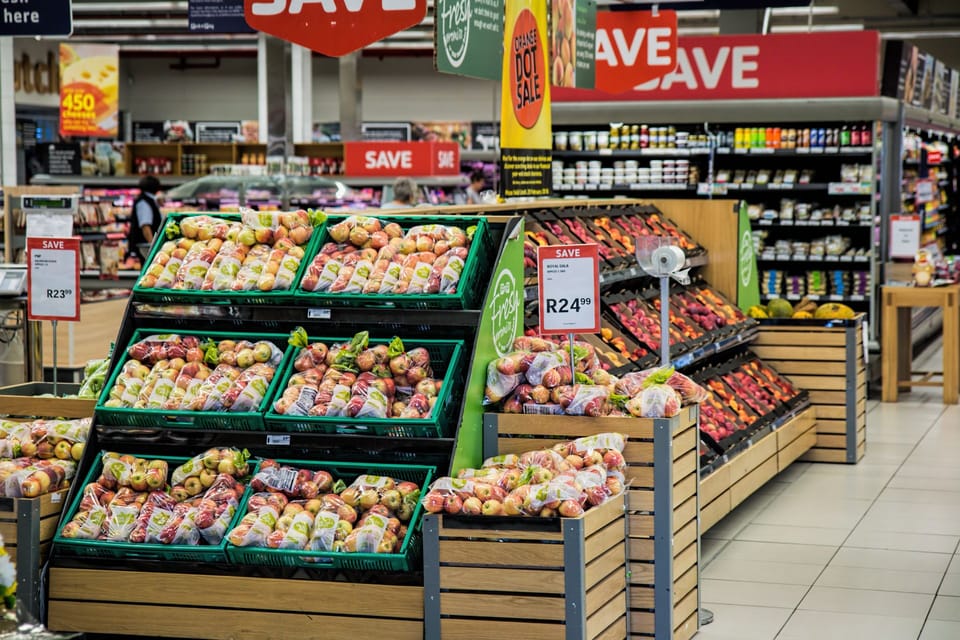
Photo: Colorful produce aisle in a supermarket. Photo by Pixabay, via Pexels.



Member discussion
337.NEWS discussion
Join the conversation.
Sign up to comment on this story and follow the local reporting behind it.