SpaceX Reportedly Resubmits Starbase Louisiana Permit, With Five Marsh Creation Areas in New Plans
November 9, 2026 | 337.NEWS | Vermilion Parish, Louisiana
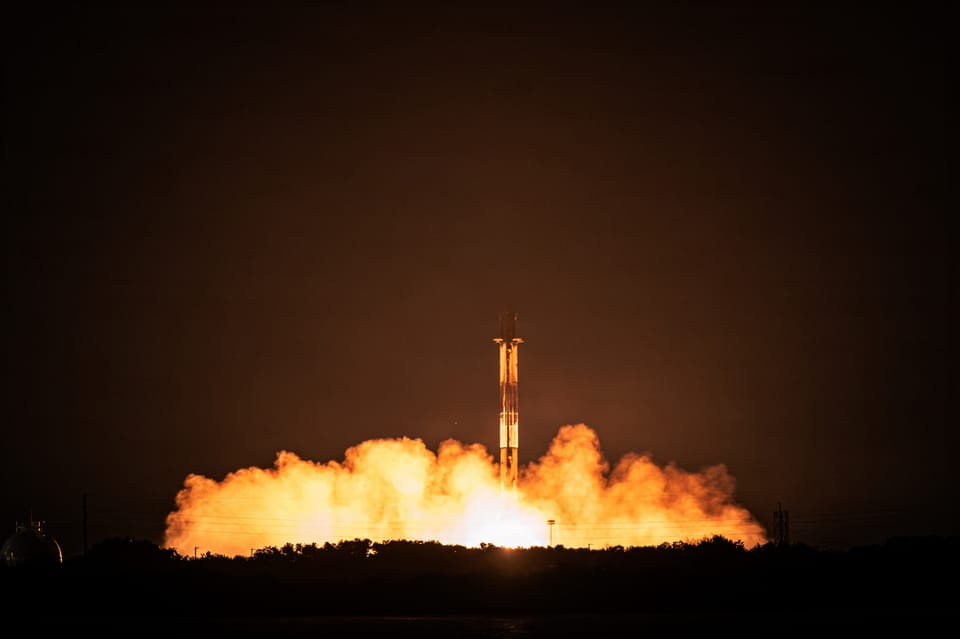
SpaceX has reportedly resubmitted its coastal use permit application for Starbase Louisiana, with updated engineering plans identifying five marsh-creation areas and providing considerably more detail about the company's proposed Gulf wharf.
The development concerns Louisiana Coastal Use Permit application P20260831, Application No. 36343, filed for the Southwest Louisiana Coastal Infrastructure Improvement Project near Pecan Island in Vermilion Parish.
A November 9 social media update from @LouisianaModelY drew attention to the Starbase permit's progress. The changes were also shared by Coastal (@thelacoast), which highlighted the increase from one marsh-creation area to five.
The revised engineering attachments have not yet been independently reviewed by 337.NEWS. The reported changes therefore remain subject to verification against the official submission.
However, the original application provides a detailed picture of the infrastructure SpaceX is seeking to build along Louisiana's coast.
The original application was already enormous
According to SpaceX's official coastal use permit application, the project includes approximately 15.75 miles of heavy-haul roadway connecting Louisiana Highway 82 to new marine infrastructure near Freshwater City.
It also proposes an 8,110-foot elevated bridge, navigation improvements, industrial staging areas, and wharf facilities designed to handle unusually large cargo.
The original application identifies:
- 887.67 acres of proposed wetland and water-bottom disturbance.
- 5.19 million cubic yards of excavation.
- 11.19 million cubic yards of fill.
- A proposed construction period beginning in March 2027 and extending through September 2032.
These figures come from the original filing and should not be interpreted as confirmed quantities in the November resubmission.
That is the scale of what SpaceX wants to build.
SpaceX is not asking to improve a few existing roads. The application describes a road, bridge, dredging, and marine network built to move oversized industrial cargo through a remote coastal site.
Five marsh-creation areas raise new environmental questions
The most notable reported revision is the increase from one marsh-creation area to five.
Marsh creation generally involves placing sediment in shallow water or degraded coastal areas to establish or rebuild marsh habitat.
Dredged material from the project can be reused to build marsh instead of being dumped elsewhere.
But five areas by itself says little about total impact.
Five areas could represent a substantial increase in restoration acreage. They could also reflect the redistribution of previously proposed sediment across several locations without significantly increasing the project's overall restoration commitment.
Until the revised drawings and calculations are reviewed, neither conclusion can be established.
Where are these five areas located? How many acres does each cover? How much sediment will be deposited? What habitat currently exists at those locations?
And how much of the proposed work will count toward required environmental mitigation rather than voluntary coastal restoration?
Those answers matter because the original project involves nearly 888 acres of proposed disturbance to wetlands and water bottoms.
That figure does not mean 888 acres of marsh would necessarily be permanently destroyed. Different types of excavation, filling, and temporary construction disturbance carry different environmental consequences.
The regulatory review must account for those differences.
The Gulf wharf could be one of the project's most consequential investments
The revised application reportedly provides considerably more information about the proposed Gulf wharf.
The original filing already described a marine logistics system intended to support oversized industrial cargo.
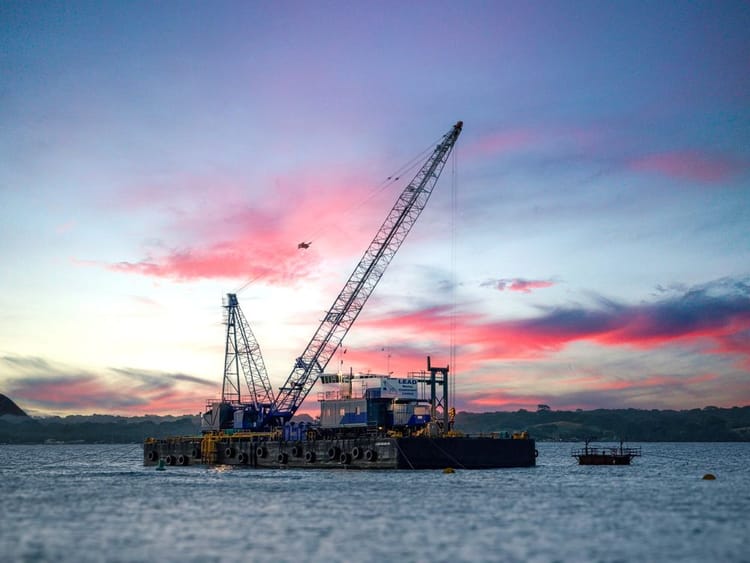
That included a Gulf-accessible wharf near Freshwater City, inland marine connections, navigation-channel work, and equipment staging areas.
A rocket facility needs more than ordinary deliveries.
Large rocket components, prefabricated industrial structures, cranes, and other specialized equipment may require marine transportation when highway movement is impractical.
A dedicated wharf could provide SpaceX with a more direct method of moving large cargo into and out of its Louisiana operations.
The application also describes staging and cargo-handling areas, including a temporary laydown yard north of the Freshwater City Lock.
That is industrial logistics, not a boat landing.
The revised plans may help clarify the facility's intended long-term capacity, including berth arrangements, cargo-handling systems, and potential expansion.
Those details will show whether the wharf is built for construction, or for running the site long-term.
The current permit evidence does not establish that SpaceX intends additional uses beyond those described in its application.
Coastal restoration cannot be evaluated by promises alone
SpaceX's environmental commitments have already become part of the Starbase Louisiana discussion.
In September, Verite News reported that SpaceX had discussed funding about 2,000 acres of marsh rebuilding with Louisiana's Coastal Protection and Restoration Authority, but had committed no set amount of money and no specific acreage.
There is a regulatory difference between restoration required to offset permitted damage and restoration a company funds voluntarily.
Compensatory mitigation is intended to offset certain unavoidable impacts after regulators apply the relevant permitting standards.
Voluntary restoration, by contrast, represents work beyond what regulators require.
For Starbase Louisiana, the public should be able to determine how much restoration is required to compensate for the project's impacts and how much represents an additional environmental investment.
The newly reported marsh-creation areas make that question more important.
Acreage alone does not measure success. Restored marsh has to work as habitat, and hold up over time.
A revised application is not an approved permit
SpaceX originally submitted its coastal use permit application on September 25, 2026.
The November 9 reports say regulators had asked SpaceX for more information before the resubmission.
The November 9 updates indicate SpaceX has now resubmitted materials for review.
It is not equivalent to a final authorization to proceed with construction.
The Louisiana Office of Coastal Management must evaluate the project under applicable coastal permitting requirements. Federal authorizations may also be necessary, depending on the work proposed and its jurisdictional impacts.
The project may require additional documentation, agency coordination, public review, or modifications before approvals are issued.
The proposed construction dates in the original filing are therefore planning estimates, not evidence that construction has been authorized.
What Louisiana needs to see next
The most important information now lies in the revised application documents.
The original filing established the scale of SpaceX's proposed road, bridge, dredging, and marine construction activities.
The November resubmission reportedly adds considerably more information about how the company intends to execute that plan.
The next step is a direct comparison between the original submission and the revised engineering drawings.
That comparison needs to establish whether the wetland disturbance acreage has changed, whether the five marsh-creation areas increase total restoration acreage, and what new details have emerged about Gulf wharf operations.
It also needs to identify any changes in construction phasing, sediment management, dredging quantities, or marine infrastructure dimensions.
They are the physical and environmental consequences of bringing a major aerospace operation to Louisiana's coast.
The bigger picture
Starbase Louisiana has attracted attention because of what commercial aerospace development could mean for jobs, industrial investment, and economic activity in Vermilion Parish.
That development needs roads, waterways, utilities, and environmental work to go with it.
In coastal Louisiana, those requirements are especially consequential.
A development that could create new economic opportunities may also permanently alter the landscape supporting it.
That does not make the project harmful. A promise of marsh creation does not make its effects acceptable either.
Both claims require evidence.
What the reported revision does is give Louisiana a clearer view of the infrastructure Starbase needs.
Whether the environmental measures are adequate, and whether the revised designs meaningfully change the project's footprint, will depend on what the actual permit documents show.
And those documents, not announcements or social media commentary, should determine the next stage of the conversation.
Primary sources and documentation
- Louisiana Office of Coastal Management: SpaceX Joint Permit Application 36343
- Official Louisiana permit record and electronic file access
- Louisiana Department of Conservation and Energy: PermitTrak
- Louisiana Revised Statute 49:214.30: Coastal Use Permits
- Verite News: SpaceX Promises Coastal Restoration
- 337.NEWS Louisiana Public Records Repository
Editor's note: The engineering quantities cited in this report come from SpaceX's original coastal use permit application. The November 9 changes, including five marsh-creation areas and additional Gulf wharf details, have been reported publicly but have not yet been independently verified against the revised engineering attachments. The permit record as reviewed shows no document dated after September 29, 2026, and states no application status. This report will be updated when those documents are reviewed.
About the Author
Dalton Barron is an investigative reporter and Louisiana-licensed real estate salesperson affiliated with NextHome Bayou Pines.
His reporting focuses on public records, real estate, development, infrastructure, business, government, and local data across Southwest Louisiana.
Dalton Barron
NextHome Bayou Pines
Jeremy Jones, Broker/Owner
416 N. Pine St.
DeRidder, LA 70634
C: 337.764.1754
O: 337.202.1018
Licensed by the LREC
Each office is independently owned and operated.
Dalton's real estate activities are separate from the editorial operations of 337.NEWS. The brokerage information above is included for transparency where reporting may intersect with real estate, development, property ownership, land use, infrastructure, or related industries.
About 337.NEWS
337.NEWS is an independent Southwest Louisiana publication focused on the parts of local stories that deserve a closer look.
That includes real estate, public records, development, business, local data, and the occasional number that does not make sense until you start pulling on it.
This publication is still new. More is coming.

Member discussion
337.NEWS discussion
Join the conversation.
Sign up to comment on this story and follow the local reporting behind it.